
.jpg)
6-day Rongai route Kilimanjaro Climb
The 6-Day Rongai Route Kilimanjaro Climb is one of the most scenic and less crowded ways to reach the summit of Mount Kilimanjaro. Approaching from the remote northern side near the Kenyan border, this route offers breathtaking wilderness, diverse landscapes, and excellent wildlife viewing opportunities. The Rongai Route is known for its gradual ascent, making it a great option for trekkers seeking better acclimatization and a high summit success rate. This adventure ends with a rewarding descent through the beautiful rainforest of Kilimanjaro National Park. 🏔️🌿


Route

Itinerary Points Day By Day – 6-Day Rongai Route.
-
Day 1: Nalemoru Gate to Simba Camp (Rainforest Edge Trek)
-
Day 2: Simba Camp to Second Cave Camp
-
Day 3: Second Cave to Kikelewa Camp (Moorland Landscape)
-
Day 4: Kikelewa Camp to Mawenzi Tarn Camp
-
Day 5: Mawenzi Tarn Camp to Kibo Hut (High Alpine Desert)
-
Day 6: Summit Uhuru Peak & Descend to Marangu Gate then Arusha or Moshi
Program Features
Budget camping
This is a budget camping tour.
Shared tour
On this shared tour, you will join a group of other travelers. Max 7 people per group.
Daily Departures
The tour is available to start on any day, based on availability.
Tailor Your Trip
You may propose slight modifications to the listed Routes for any Kilimanjaro journey.
Solo Adventure Ready
Shared tours can be booked by individuals who want to join others.
Suitable for Age 12+
Travelers must be at least 12 years old to join this tour.
Activities & Transportation
Primary Activities: Enjoy thrilling climb throughout the Kilimanjaro
Transportation: Minivan
Seamless Arrival & Departure: Hassle-free transport from and back to the airport is provided.
Accommodation & Meals
Budget Camping
Mt. Kilimanjaro
All Meals Included
End of Tour
Accommodation in Arusha or Moshi
Breackfast & Lunch
Interested in this Tour?






Price Starting From
$ 1,760 pp (USD)
Request a Quote
Payment Plan: 10% of the total price Learn More
Best price guarantee Learn More
📌 Benefits of the 6 Day Rongai Route
1. Unique High-Altitude Camping
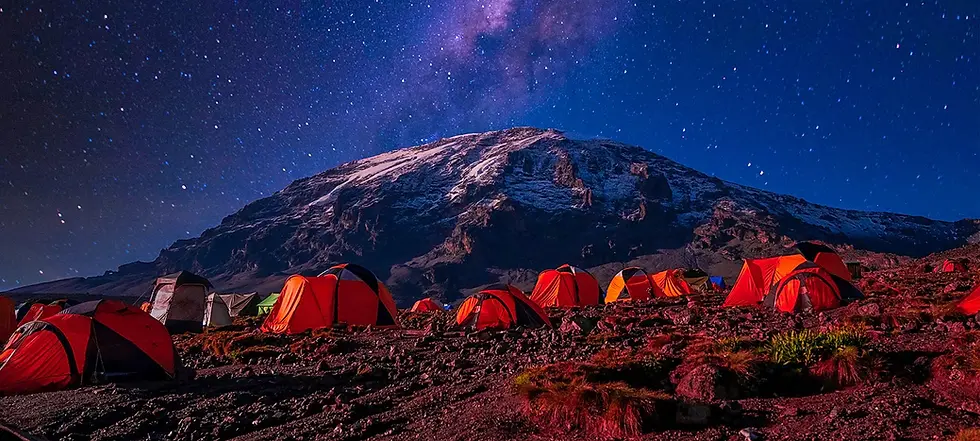
Stay at the beautiful Mawenzi Tarn camp, nestled beside a high-alpine lake for a truly magical, starry night-sky camping experience.
2. Untouched Northern Scenery
Traverse pristine landscapes and high-altitude desert, offering a unique perspective of Kilimanjaro that very few mountain trekkers ever see.
3. Dry Weather Advantage
The northern side stays drier in the rain shadow, making this the best choice for trekking during the wetter seasons.
4. Stunning Mawenzi Peak Views
Enjoy the most spectacular, close-up vistas of the jagged Mawenzi volcanic spires, widely considered Kilimanjaro’s most photogenic mountain feature.
5. The Cross-Mountain Traverse
Ascend the northern face and descend the southern Marangu side, allowing you to experience two diverse ecosystems in one journey.
6. High Summit Success Rate
Despite the shorter six-day duration, the route's steady approach and professional pacing offer an excellent chance of reaching Uhuru Peak.
6-Day Rongai Route Kilimanjaro Climb: Key Things to Know
The 6-Day Rongai Route is widely considered the best "hidden gem" of Mount Kilimanjaro. It is the only trail that approaches the mountain from the northern side, near the Kenyan border, offering a completely different perspective than the more frequented southern routes like Machame or Marangu.

Ideal Seasons for Rongai Trek
For the Rongai Route, the best climbing months are January to March and June to October. During these periods, weather conditions are more stable, trails are less slippery, and summit success rates are higher. Planning your trek during these seasons maximizes comfort, safety, and your chances of reaching Uhuru Peak while enjoying clear views of the mountain’s northern scenery.

Kibo to Uhuru Peak Experience
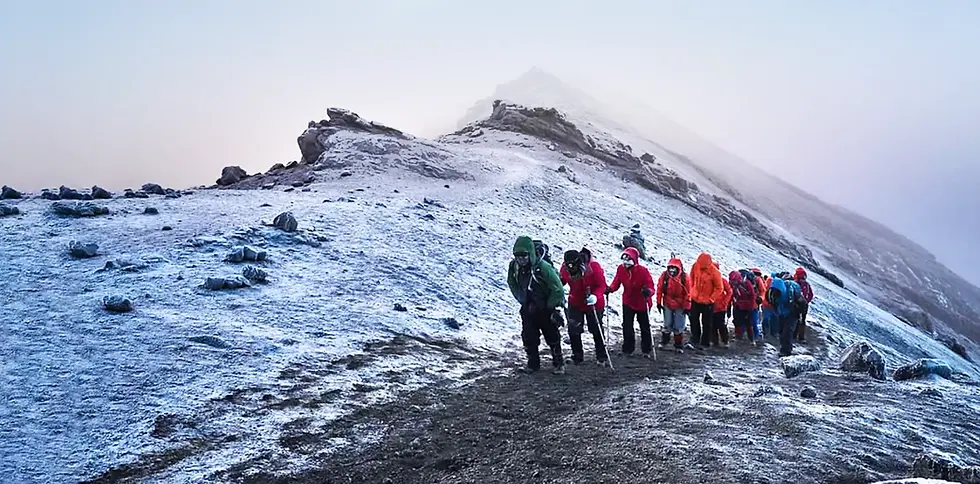
Summit day begins at Kibo Hut, with climbers reaching Gilman’s Point and continuing to Uhuru Peak. The trek is strenuous, often starting around midnight. Success depends on fitness, acclimatization, and determination. Reaching the top rewards adventurers with panoramic views of the Tanzanian plains and Mawenzi peaks. Early morning sunrise offers unforgettable photography opportunities for climbers.

Nature Highlights Along Rongai
The Rongai Route passes through diverse ecosystems, including montane forests, moorlands, and alpine deserts. Trekkers may encounter colobus monkeys, hyraxes, and abundant bird species. Unique flora like giant lobelias and groundsels enhance the scenic experience. This northern route allows climbers to enjoy wildlife sightings with fewer crowds, making it ideal for photography, nature lovers, and eco-conscious adventurers.

Gear Checklist for Kilimanjaro
For the 6-Day Rongai climb, bring layered clothing, sturdy trekking boots, gaiters, trekking poles, rain gear, gloves, and headlamps. Don’t forget sunscreen, sunglasses, and a water bottle. Adequate gear ensures comfort in varying temperatures and terrain—from dense forests to snowy summit areas. Proper preparation reduces risks, enhances safety, and allows climbers to fully enjoy Kilimanjaro’s northern landscapes.

Training Tips for Summit Success
Climbers should engage in cardiovascular training, hiking practice, and strength exercises before attempting the Rongai Route. Trekking for 4–8 hours per day with elevation gain requires stamina and endurance. Pre-climb conditioning reduces fatigue, prevents injuries, and increases summit success chances. A well-prepared body ensures climbers enjoy breathtaking views without compromising health during the ascent.

Professional Assistance on Trek
Professional guides, porters, and cooks are essential for a safe Rongai ascent. Experienced teams navigate trails, monitor health, and provide meals and camp setup. Hiring licensed Kilimanjaro guides ensures adherence to safety standards, high-altitude knowledge, and local expertise. Their support allows climbers to focus on the trek, enjoy nature, and achieve their ultimate goal—reaching Uhuru Peak.
Innocent Alfey

"Inno’s vision for sustainability ensures that every adventure not only uplifts the spirit but also honors and preserves the soul of Tanzania."
ℹ️ 5 Questions About the 6-Day Rongai Route Kilimanjaro
Innocent Alfey
Answered by
1
What makes the 6-Day Rongai Route unique?
The Rongai Route is Kilimanjaro’s only northern approach, offering a quieter, less crowded trek. Its gentle slopes and gradual ascent improve acclimatization, making it ideal for first-time climbers. Trekkers enjoy scenic landscapes, including montane forests, moorlands, and alpine deserts, while experiencing wildlife along the way. The 6-day plan balances daily trekking and rest for a higher summit success rate.
2
What is the best season to climb Rongai Route?
The best time to climb the Rongai Route is during the dry seasons: January to March and June to October. These months provide more stable weather, clear views of Kilimanjaro’s northern slopes, and reduced trail mud. Choosing the right season increases safety, comfort, and your chances of reaching Uhuru Peak while fully enjoying the mountain’s scenic beauty.
3
How difficult is the 6-Day Rongai Route?
The 6-Day Rongai Route is considered moderate to challenging. While it’s less steep than some southern routes, it involves long daily treks, high altitudes, and a strenuous summit day. Proper fitness, acclimatization, and mental preparation are essential. The gradual ascent helps reduce altitude sickness risks, making it suitable for both beginner trekkers and experienced climbers aiming for a safe Kilimanjaro summit.
4
What should I pack for the Rongai Trek?
Essential gear includes layered clothing, trekking boots, gloves, gaiters, trekking poles, rain gear, and a headlamp. Don’t forget sunscreen, sunglasses, water bottles, and snacks. Proper packing ensures comfort across diverse terrains and temperatures—from dense forests to snowy summit areas. Being well-prepared helps climbers focus on the journey, prevents injuries, and maximizes enjoyment of Kilimanjaro’s northern landscapes.
5
Do I need guides and porters on the Rongai Route?
Yes, professional guides and porters are required for a safe Rongai ascent. Guides provide navigation, monitor altitude health, and give essential support, while porters carry equipment and set up camps. Hiring licensed Kilimanjaro guides ensures safety, local expertise, and high-altitude knowledge. Their support allows trekkers to focus on the climb, enjoy nature, and increase the chances of summiting Uhuru Peak.